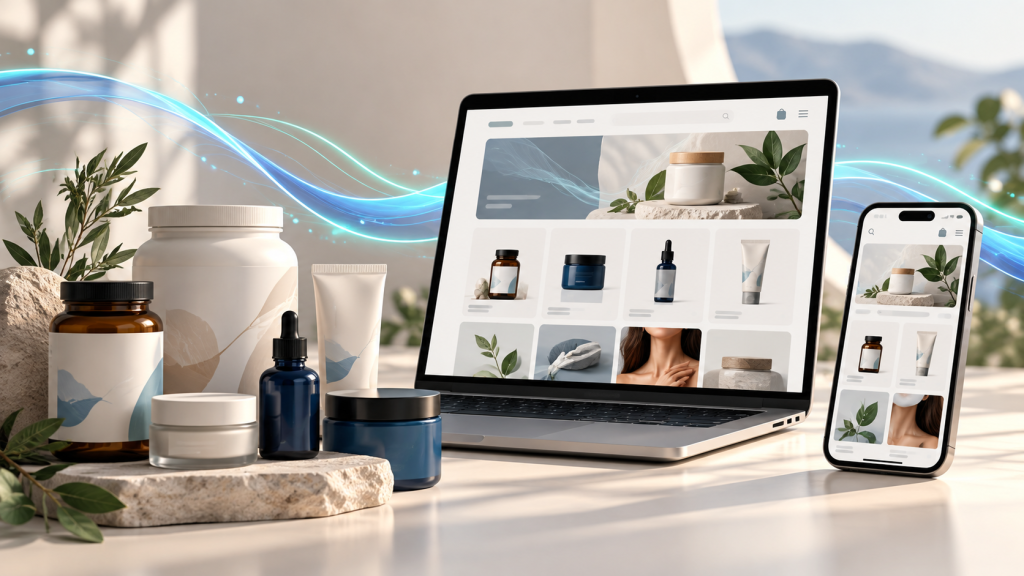
A customer looking for skincare advice may start with a product page, ask about a suitable item, compare a current offer and then decide to call. Solvaderm wanted help with those questions across digital and telephone contact, while making useful follow-up information available to its teams.
Centurysoft’s published account describes a chatbot for website conversations, a voice-enabled telephone route and a handoff of captured leads into the CRM. The practical aim was to make product information easier to reach without treating each channel as a separate customer journey.
The challenge: answer the question where it arrives
Solvaderm wanted visitors and existing brand users to find products suited to their needs, learn about available deals, and understand product usage and combinations. The business also wanted to collect relevant contact information so Marketing, Product Information and Direct Sales teams could follow up.
Those needs put pressure on the handoffs between channels. A helpful answer on a website loses value if a person who calls later has to begin again. A lead form adds little if the people responsible for follow-up cannot see the question that prompted it. The original brief therefore connected product guidance with communication and lead capture.
The work: web conversation, voice access and CRM handoff
The published solution included a chatbot that opened a general conversation with website visitors and answered product questions, including questions about existing deals. It also described a telephone interface using speech technology so callers could access the assistant through a voice response system.
Lead information from those interactions was captured and integrated with the CRM. This gave internal teams a route to respond to customer interest rather than leaving a conversation inside the chat window. The original case emphasizes both website users and telephone callers; the value of the design lies in accommodating those different ways of asking for help.
The assistant had a natural role in answering clear, repeatable product questions and passing customer context to the team responsible for the next step. Customers with more specific needs could then continue the conversation with a person.
The Benefits:
- Customers can get product information and product suggestions, including current deals
- One assistant serves everyone from website users to telephone callers
- Leads are captured and integrated into the CRM for Marketing, Product Information and Direct Sales follow-up
- Quick and reliable responses to customer queries
- Solvaderm can identify common customer queries and patterns
- Reduced operational costs
What the published account supports
The documented capabilities are product information and suggestions, access through web and phone, and CRM lead capture. The earlier story also lists quick responses, better visibility into common questions and reduced operating costs as benefits. It provides no measurement for speed, cost or conversion, so this account does not turn those statements into quantified results.
The practical flow is visible without a percentage: the customer can start with a question, get relevant product information and leave a follow-up path for the team. The value of the connected experience lies in that continuity across channels.
What this work illustrates
Omnichannel service is built at the handoff. Solvaderm’s account shows the need to connect product answers, channel access and CRM follow-up as one flow. For teams planning similar services, the question is whether a customer can move from inquiry to informed next step without losing the context of the conversation.