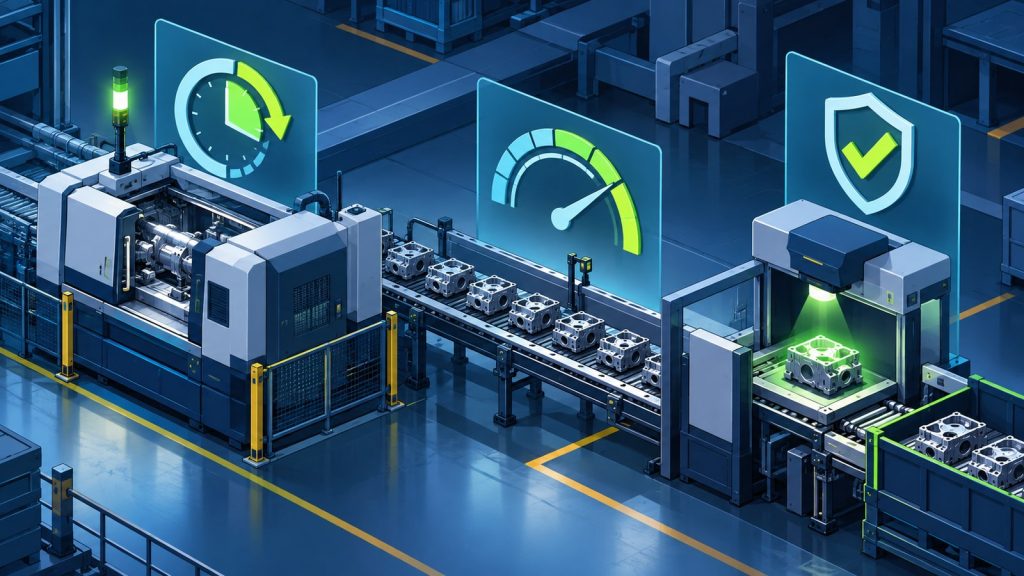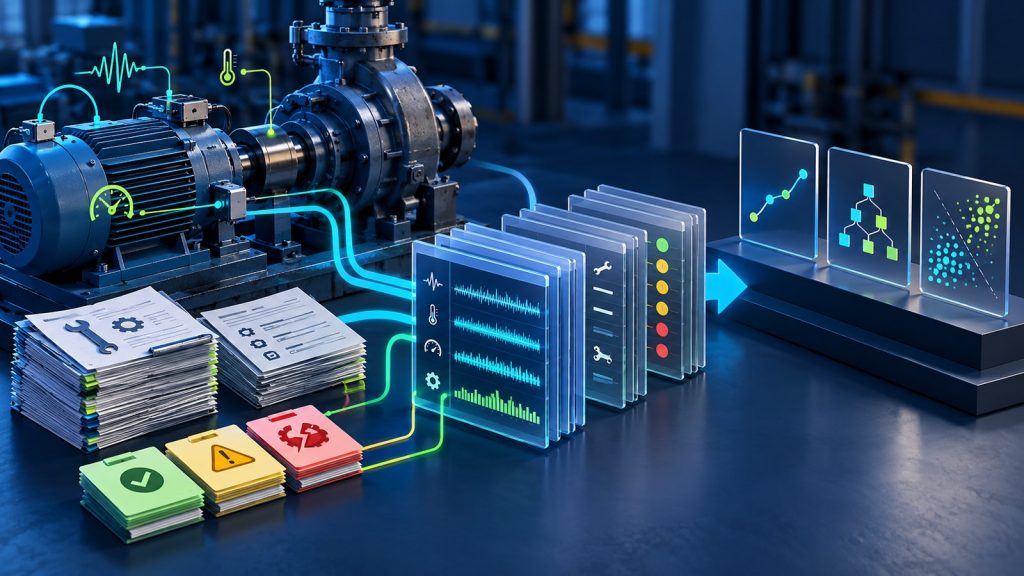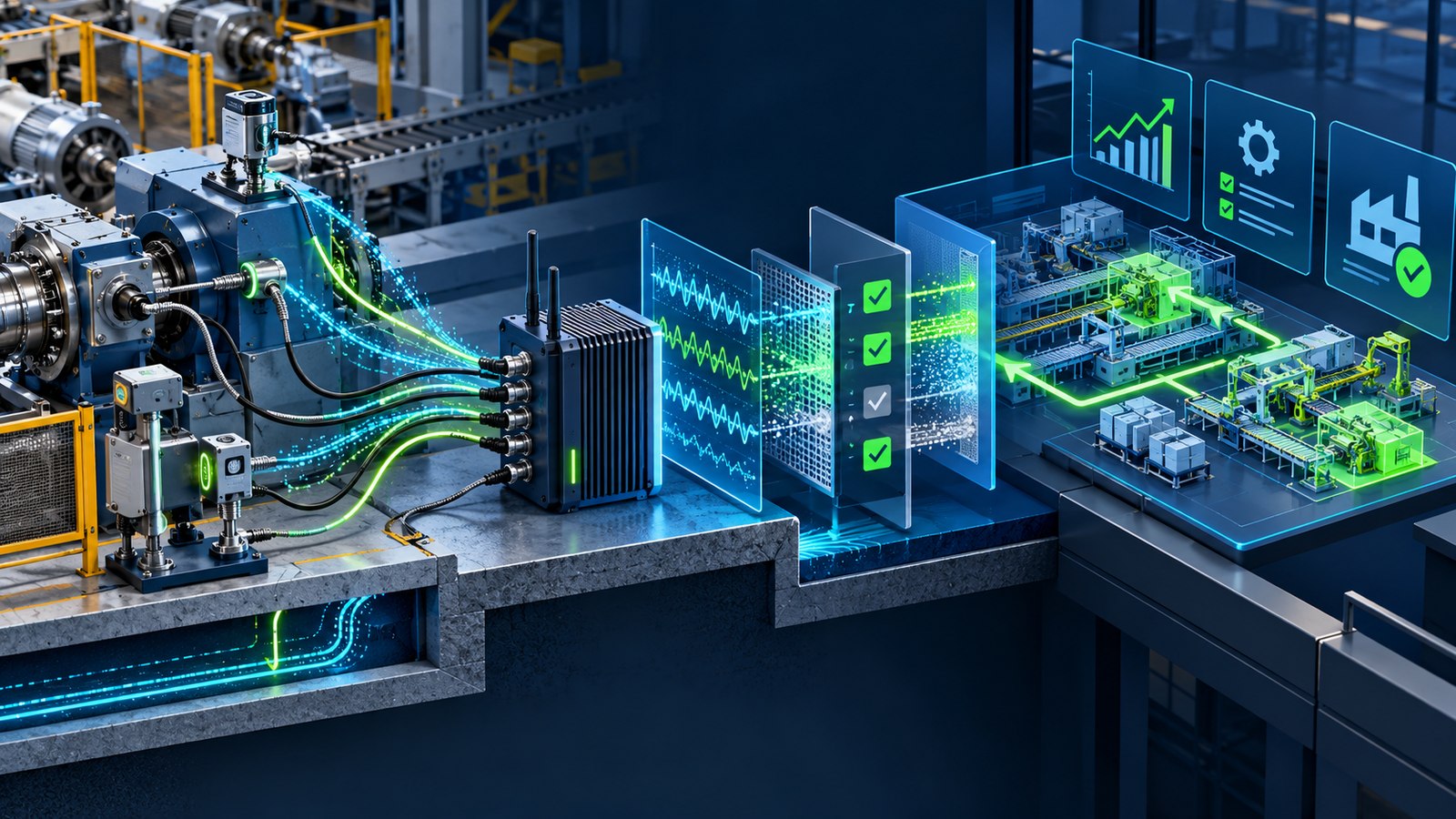
Industrial sensors create streams of measurements, but a useful decision needs more than a timestamp and a temperature. The data must be tied to a machine, operating state and trustworthy path from the floor to the people who can act.
A temperature sensor reports a sharp rise while the machine is being calibrated. Without asset state and maintenance context, an alert may send technicians on an unnecessary call. Edge and cloud processing should preserve enough context to distinguish process changes from faults.
Establish the context
Map sensor IDs to assets, units and calibration history. Note when a machine is idle, changing product or under maintenance. Choose where data is filtered or buffered at the edge and how a network outage will be handled.
The same sensor can serve different decisions at different speeds. A safety-related signal may require local handling with approved controls; an efficiency trend may be analyzed later in a central platform. Do not push every event to every destination. Document which path supports which decision and how each recovers from lost connectivity.
Design for imperfect signals
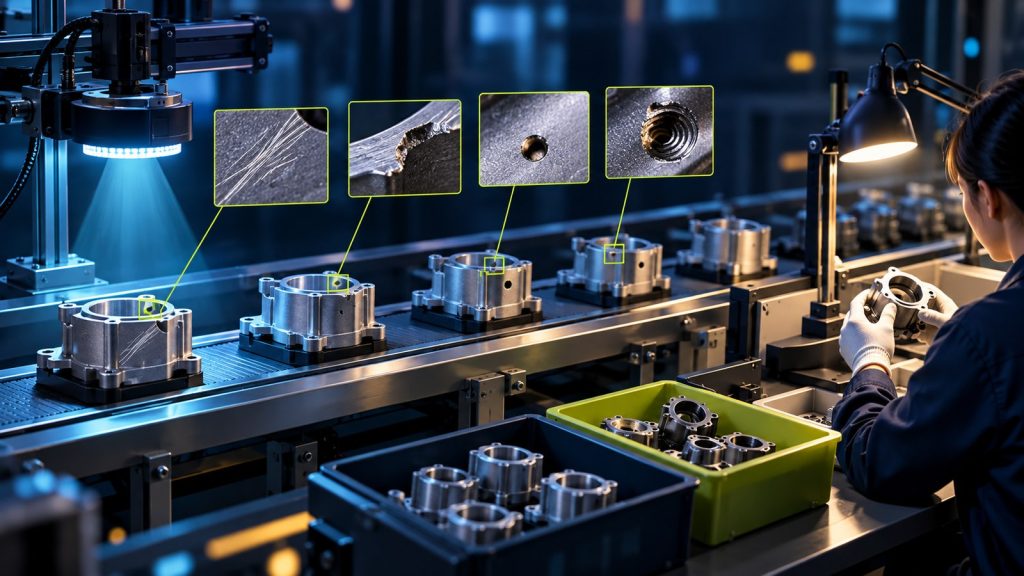
Check gaps, impossible values, delayed messages and clock differences. Retain enough raw detail to investigate a problem while managing storage costs. Define which conditions require an immediate alert and which can wait for a daily review.
Close the operational loop
Send the right signal to maintenance or production with relevant context. Record the action and outcome. A pipeline succeeds when it supports a dependable intervention, not when it merely displays many rapidly updating charts.